Plato believed that when politicians make speeches, they hunt for souls. It is clear that anyone who judges words by content alone and not by the deeds that follow will be disappointed. But wrong too are those who regard the words of a political leader as just an ordinary show – in fact, they are far more than that.
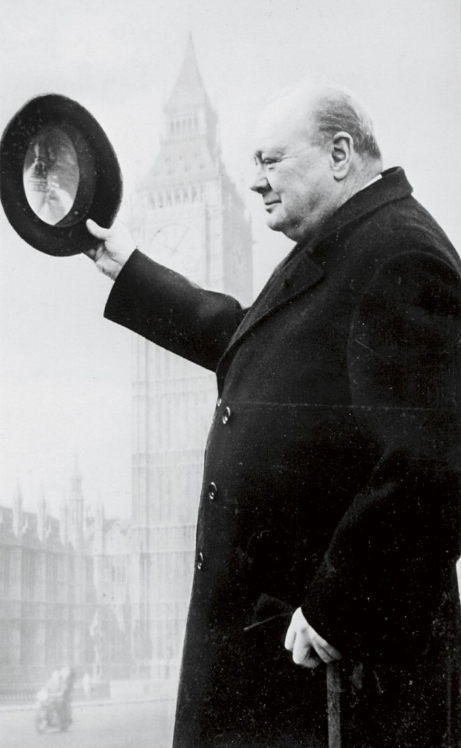
“An iron curtain has descended across the Continent” – Winston Churchill declared in his famous Fulton speech in 1946 well before the Berlin Wall was built.
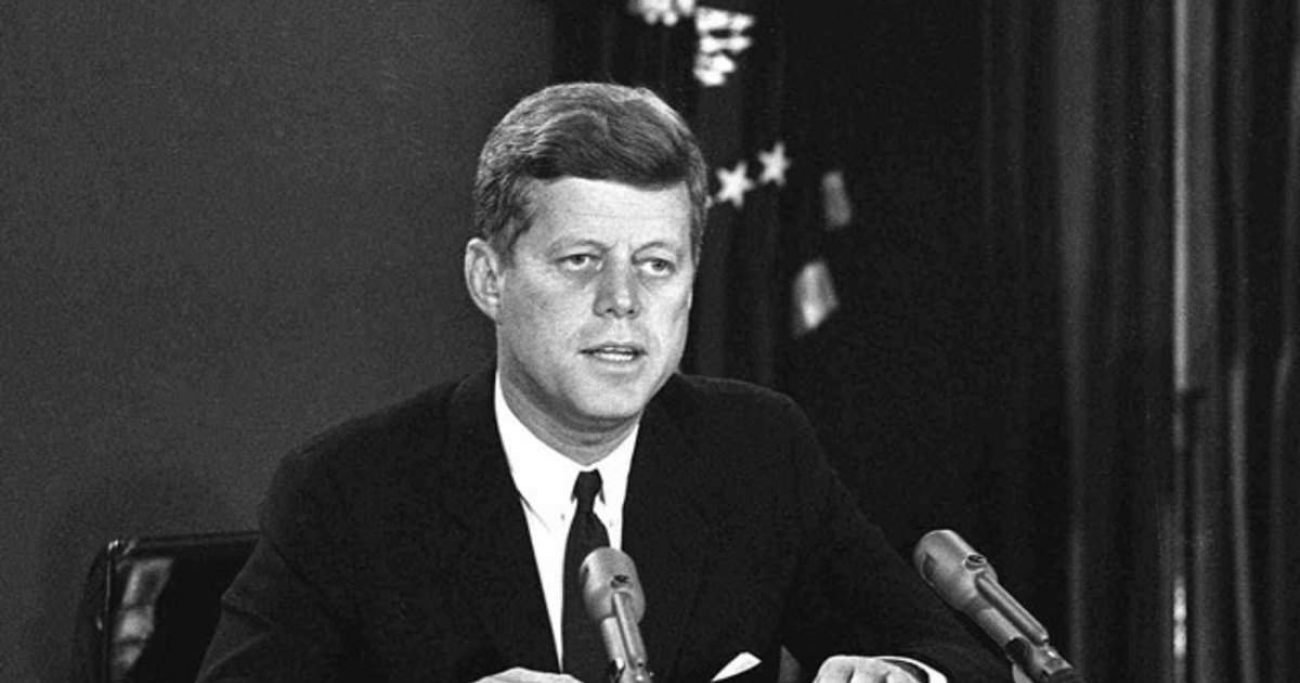
“Ich bin ein Berliner” (I am a Berliner) – John F. Kennedy told the people who gathered in West Berlin in 1961, the year the Wall was built.
Many do not remember the documents that were signed before the Iron Curtain descended or after the Berlin Wall was torn down, but anyone having even the slightest idea about the Cold War knows these three sentences.
Rhetoric of political leaders makes history, above all because it defines boundaries of debate. Hardly anyone has forgotten that George W. Bush dubbed Georgia a “Beacon of Democracy.” At that time, those words sounded only like praise and encouragement. However, some would say that praise turned into a curse after the “beacon” had become a reference point against which Georgian democracy was judged and the frame of discussion had been built upon approval-disapproval of Bush’s words. Whether or not we share their pathos, it is a fact that these two words have channeled the debate about Georgia in a certain vein and defined the country’s modern history.
“I am Georgian and, therefore, I am European,” declared Zurab Zhvania at the Parliamentary Assembly of the Council of Europe in 1999 and, with those words, he outlined the orientation of a country with a seemingly dim future at the crossroads of Europe and Asia. Back then, Europeans had yet to define where to draw the line of Europe.
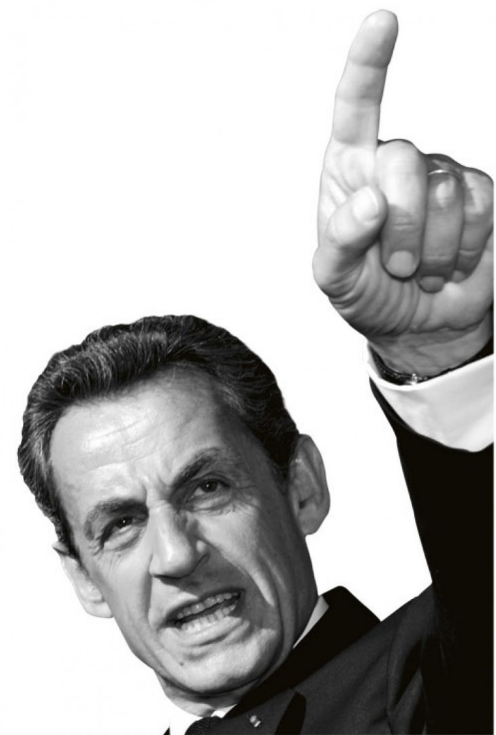
It would be perfect if Nicolas Sarkozy’s words translate into deeds: If we are Europeans, let us travel to Europe easier, free the trade with Europe; if we are free to choose alliances, allow us to join NATO; make Putin feel that unless he de-occupies Georgia, respects human rights and puts the Soviet Union in the past for good, he will be put under the same pressure as Alexander Lukashenko. OK, we get that “one fine day” this will happen, but when exactly is that? Not today or tomorrow, probably.
It would be good to know, at the very least, that when Sarkozy is back in France he will not sell yet another batch of arms to the Kremlin. But even that we do not know for sure.
Despite all this, what we heard on 7 October is a whole lot more than empty rhetoric. The words of the French President frame the debate which will demarcate Europe’s boundary lines and thereby define Georgia’s history.
When writing this piece about the words of politicians, I thought about the words of thinkers published in this new Archive section and two questions came to mind:
1) Where would we be now had Georgia been visited, during the time of Ilia Chavchavadze, by the heads of state of the United States and France and both of them at that time lavished praise on our country and declared it part of Europe?
2) What will those who will read Bidzina Ivanishvili’s encyclicals one-hundred-twenty years hence think of those words?